Where to Enjoy Authentic Hospitality at an Irish Pub NYC Spot
New York has no shortage of places that call themselves an Irish pub. The city is full of dark wood bars, Guinness signage, framed county crests, and menus with shepherd’s pie tucked between burgers and wings. Yet anyone who has spent real time in pubs, whether in Manhattan, the Bronx, Queens, or back in Ireland itself, knows that décor is the easiest part to copy. Hospitality is harder. It is quieter, more personal, and far more memorable.
When people search for an Irish Pub NYC destination, they are often looking for more than a pint. They want warmth without fuss, conversation without pressure, food that feels comforting rather than performative, and staff who know how to read a room. They want the kind of place where a first-time visitor is greeted properly and a regular is welcomed back without turning the bar into a private club. That balance is the heart of an authentic Irish pub experience.
The best Irish pubs in New York deliver something rare in a city that can feel rushed and transactional. They make time. Not in a sentimental, staged way, but in the practical way good publicans always have. A bartender notices if you are waiting to order. A server can tell whether you want a full meal or just a bowl of soup and another round. Someone behind the bar remembers how you take your whiskey after only one or two visits. Those details matter more than polished branding ever will.
What authentic hospitality actually feels like
People often confuse authenticity with age. An old bar can be wonderful, but age alone guarantees very little. Some century-old places feel tired and self-conscious. Some newer pubs, especially those built by owners with a clear sense of culture and service, feel lived-in within months. Authentic hospitality comes from behavior, not a lease date.
At a good Irish pub, service has a certain steadiness. It is attentive without hovering. You are not rushed through your meal, but you are not left waving for the check either. The room itself usually tells you something before you sit down. There is often a comfortable hum rather than a manufactured roar. People are actually talking to one another. The music, if there is live music, supports the room instead of taking it hostage. You can come in alone and not feel awkward.
That last point matters more than many owners realize. One of the clearest markers of a proper pub is whether a solo guest can settle in naturally. In weaker bars, a lone customer can feel exposed, as if every seat is meant for a group reservation or an after-work crowd. In a proper Irish pub, there is always room for one person at the bar, and usually room for a short chat if that is welcome. Hospitality is not always loud friendliness. Very often it is the simple act of making a person feel at ease.
Why New York is a natural home for the Irish pub
New York and the Irish pub have fit together for generations because both thrive on a mix of openness and ritual. This is a city built by neighborhoods, arrivals, routines, and local loyalties. The traditional Irish pub works the same way. It gives structure to ordinary life. Lunch regulars show up at roughly the same time. A pre-theater crowd has one rhythm. A late-night crowd has another. Weekend brunch can bring families, while a Sunday evening may draw people in for music, a roast, or a quiet pint before the workweek begins.
The city also rewards places that can serve several purposes at once. The best Irish pubs are flexible. They can be a lunch spot, a date spot, a meeting place before a game, a refuge during bad weather, or the one room where out-of-town relatives actually feel happy to linger. New Yorkers value utility, but they also value character. That is exactly where the Irish pub excels.
There is another practical advantage. Irish pub culture, at its best, is built around generosity without extravagance. You do not need bottle service, a reservation two weeks in advance, or a dress code that makes guests self-conscious. You need a good pour, honest food, competent service, and a room with some soul. In a city where many hospitality concepts come and go quickly, that kind of reliability builds loyalty.
The signs you have found the right place
The first clue is usually the staff. A bartender in a strong pub does more than pour drinks. They manage tempo. They know when to engage and when to keep things moving. They can handle a crowded Friday without making anyone feel invisible. They speak to newcomers with the same respect they give regulars, even if the regulars get the occasional nod of recognition.
The second clue is the mix of customers. If a pub is genuinely hospitable, it rarely serves just one narrow type of person. You will see office workers, couples, families, neighborhood regulars, sports fans, and people who simply wanted a decent meal in a room that feels grounded. Diversity in itself does not prove quality, but a healthy mix often suggests that Irish Pub NYC the pub knows how to welcome people rather than merely market to them.
Food is another tell. An Irish pub does not have to produce an encyclopedic menu, but what it serves should be prepared with care. A bowl of soup should arrive hot, seasoned properly, and paired with bread that is not an afterthought. Fish and chips should be crisp and fresh rather than greasy and forgettable. A full Irish breakfast, if offered, should feel considered, not assembled for novelty. Brown bread, sausage rolls, curry chips, seafood chowder, bangers and mash, and a good roast all have their place, provided the kitchen respects them.
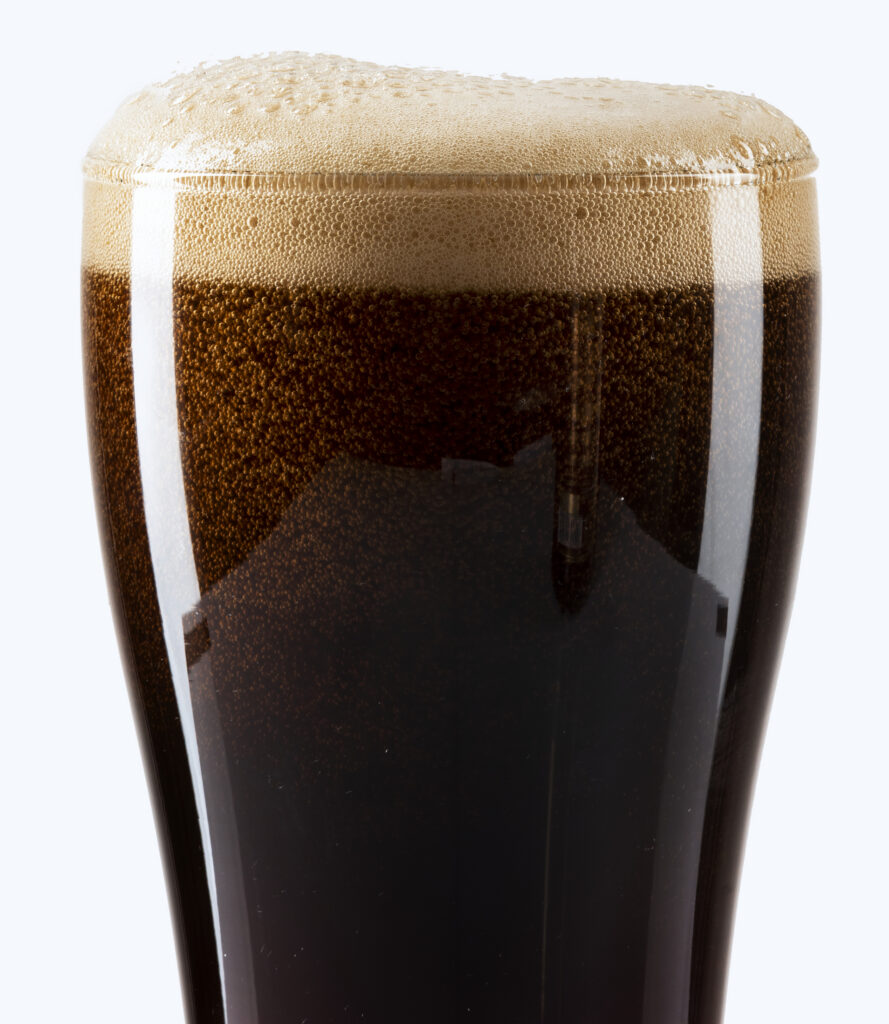
Then there is the pint. You do not need an elaborate speech about stout to recognize whether a pub takes pride in what it pours. The glass should be clean. The temperature should be right for the style. The pour should show some discipline. A pub that cares about these basics is usually paying attention elsewhere too.
Hospitality lives in small interactions
What separates a merely pleasant visit from a memorable one is often something that takes less than ten seconds. A host notices an older guest would be more comfortable at a table than on a high stool. A server quietly brings an extra plate because two people are sharing a pie. A bartender warns you that the kitchen is about to get busy and puts your order in before the rush. None of this is theatrical. It is just professional care.
I have always found that the strongest pubs understand context. If there is a match on, the room should feel lively but not chaotic. If there is a wake, the staff should know how to let the gathering breathe. If tourists arrive hoping for music and Guinness, they should get that experience without the place turning into a caricature of itself. New York demands this kind of range. A pub that cannot adapt will either become generic or alienate half its audience.
This is also where many trendy bar concepts fall short. They can be clever, handsome, and well financed, but they often lack instinct. Authentic hospitality depends on judgment, and judgment comes from experience. It comes from being in service long enough to know that one table wants celebration while another wants privacy. The room may be full, but guests should still feel seen.
Food and drink matter, but they are not the whole story
A lot of people go looking for the best Irish Pub NYC option by starting with menu photos or beer lists. That is understandable, but it is only part of the equation. Plenty of places can source decent stout or make a passable cottage pie. Fewer know how to create ease.
Still, food and drink are where a pub proves its standards. Irish hospitality has always been tied to generosity at the table, and that does not require luxury. It requires care. Portions should satisfy without becoming wasteful. The kitchen should know how to handle simple things well. A sandwich at lunch should not feel like a compromise. A late bowl of stew should taste like someone actually seasoned it and let it cook long enough. Desserts, if offered, should have a purpose. Sticky toffee pudding, apple tart, bread and butter pudding, or a proper trifle can do a lot to round out an evening.
The bar should show similar restraint and confidence. A well-run Irish pub in New York often balances old standards with enough range to keep a mixed crowd happy. Guinness, of course, matters. So do Irish whiskeys, a few solid lagers and ales, and perhaps a cocktail list that does not try too hard. There is no need for smoke bubbles or gimmicky garnishes. A good Irish coffee, made with hot coffee, properly whipped cream, and a measured hand with the whiskey, tells you much more about the room than a menu full of stunts.
Music, sport, and atmosphere without the theme-park effect
Live music can deepen a pub’s sense of place, but only when handled well. Inexperienced operators often treat music as a branding device. They book performers too loudly, place them in rooms that cannot support the sound, and force every conversation to compete. In a proper pub, music should add texture. Traditional sessions, folk standards, ballads, or even a singer with a light touch can transform a night, especially when the crowd responds naturally instead of treating the room like a stage show.
The same principle applies to sport. Televised matches have long been part of pub life, and in New York they can be a real draw, especially for Premier League mornings, Six Nations matches, or major football and rugby fixtures. Yet a pub devoted entirely to screens can lose the social quality that makes it worth visiting. The best places know when the event is the point and when it should remain background. A room should still feel human when the final whistle blows.
There is a fine line here. Too little atmosphere and the place feels flat. Too much performance and it starts to resemble an Irish pub imagined by someone who has only seen one in an airport. Authenticity is often found in moderation.
Neighborhood matters more than hype
A great Irish pub in New York tends to belong to its block or district in some meaningful way. It might sit near offices and fill up with regular lunch traffic. It might anchor a residential neighborhood where families stop in early and longtime locals claim the bar stools later on. It might thrive near a transit hub because commuters trust it for consistency. The point is not prestige. The point is integration.
This is why some of the best pub experiences happen in places that never trend online. A pub does not need to be hidden, but it does need a base of people who would miss it if it closed. That kind of relationship changes the atmosphere. Staff are less likely to perform for social media. The menu evolves in response to real guests. Holiday periods, especially around Christmas and St. Patrick’s season, feel communal rather than purely commercial.
If you are deciding where to go, it helps to think about what kind of evening you want. Midtown may offer convenience and a reliable pre-show pint, but some rooms there turn over tables quickly and lean tourist-heavy. A neighborhood pub farther downtown, uptown, or out in the boroughs might offer more conversation best Irish pub NYC and less churn. Neither is automatically better. It depends on whether you want efficiency, warmth, or both.
When to visit if you want the best version of the place
Timing can change a pub completely. The same room that feels harried at 6:15 on a Thursday may feel perfect at 3:30 on a rainy Saturday or just after opening on Sunday. If you are evaluating hospitality rather than only crowd energy, quieter hours tell you more. You notice whether the staff stay gracious when there is less pressure to perform. You notice whether the food is consistently cared for. You notice whether the room has natural charm or only borrowed excitement.
For first-time visitors, early evening on a weekday is often ideal. You can watch the place transition from day to night, see how the staff handle incoming regulars, and still have enough space to take in the details. Late nights can be fun, but they reveal less about the quality of a pub and more about its stamina.
There are exceptions. Some pubs come fully alive only during music sessions or major sporting events, and that is part of their identity. If you are specifically seeking that atmosphere, embrace the busy period. Just understand that packed rooms test hospitality. The good places keep their standards. The weaker ones become loud and indifferent.
How regulars shape the room
Regulars are often treated as a sign of exclusivity, but in the best Irish pubs they function differently. They set the tone. They greet the staff, make room for newcomers, and model how the place works. You can usually tell within minutes whether the regular crowd makes a room more welcoming or more territorial.
Healthy pub culture depends on generosity from both sides of the bar. Owners and bartenders who cultivate respectful regulars create a better environment for everyone. The opposite is also true. If regulars monopolize staff attention, glare at unfamiliar faces, or treat the room as private property, the pub stops being public in the meaningful sense. It may still pour a fine stout, but its hospitality has narrowed.
In New York, where many people are living far from family or established community, this aspect of pub life can be particularly valuable. A well-run Irish pub can become a third place in the truest sense, neither home nor office, but a room where people feel recognized. That is not sentimental language. It is a serious strength in a city that often leaves people more isolated than outsiders assume.
What to order when you want the full experience
There is no single right order, but some choices tend to reveal a pub’s quality quickly. A pint of stout is the obvious starting point if you drink beer, not because it is mandatory but because it shows whether the house respects fundamentals. Pair it with something simple from the kitchen. Soup and brown bread, fish and chips, a pie, stew, or sausage rolls will tell you more than an overly ambitious special.
If whiskey is your preference, ask for a recommendation rather than defaulting to the most familiar label. A knowledgeable bartender can often steer you toward something that fits your taste and budget. Good pubs take pride in this conversation. They do not upsell aggressively. They guide.
An Irish coffee, particularly on a cold evening, remains one of the best tests of care behind the bar. It sounds simple. It is not. Get it right, and it feels restorative. Get it wrong, and it tastes like a missed opportunity.
The difference between nostalgia and substance
Many pubs trade on heritage, and sometimes with good reason. There is genuine history in New York’s Irish communities, and any serious discussion of the city’s pub culture should respect that. But heritage can be flattened into nostalgia if owners rely too heavily on symbols instead of standards.
Substance is what holds a pub together after the novelty wears off. It is the polish on the wood from actual use, not artificial distressing. It is a menu shaped by what guests return for. It is a bartender who can pour a pint, settle a tab, greet a newcomer, and keep a room moving without making any of it look forced. It is management that trains staff to be present, calm, and fair.
People remember how a place made them feel, especially in hospitality. They may forget the exact song that played or the name of the whiskey they tried, but they remember whether the room felt easy. They remember whether they stayed for one drink and somehow ended up there for three hours. They remember whether they left already planning to come back.
Finding your Irish Pub NYC favorite
The search for an Irish Pub NYC spot worth returning to is less about chasing rankings than paying attention to texture. Notice how the room handles ordinary moments. Notice whether the welcome feels genuine. Notice whether the food and drink are prepared with respect rather than marketed with noise. If a place gets those things right, the rest tends to follow.
Authentic hospitality is rarely flashy. It is the warmth of being looked after without being managed. It is a pint poured properly, a meal served with confidence, and a room that leaves space for both celebration and quiet. In a city full of options, that kind of pub stands out quickly.
When you find one, you will know. The place will feel settled in itself. The staff will have rhythm. The room will invite you to stay a little longer than planned. And that, more than any sign outside or story on the menu, is what makes an Irish pub truly worth your time.
Hibernia Bar
401 W 50th St
New York, NY 10019, United States
Phone: +1 212-969-9703
FAQ About Irish Pub NYC
What is the best Irish pub in NYC?
The best choice depends on your location and preferred atmosphere. Hibernia Bar is a neighborhood Irish pub in Hell's Kitchen offering Guinness, Irish whiskey, pub food, and sports viewing.
Where do Irish people go in NYC?
New York's Irish community gathers in many neighborhoods and venues. Hibernia Bar welcomes Irish expats, local residents, and visitors at 401 W 50th St, just off Ninth Avenue.
Where can I watch GAA games in New York?
Hibernia Bar lists GAA among the sports it shows. Call +1 212-969-9703 to confirm coverage and opening times for a particular match before visiting.
What is the difference between a bar and a sports bar?
A sports bar emphasizes televised games and a shared viewing atmosphere. Hibernia combines sports viewing with the food, drinks, and hospitality of a neighborhood Irish pub.