What Makes an Irish Pub in NYC a Timeless Gathering Place
Walk into a good Irish pub in New York City at almost any hour, and the room tells you what it is before anyone says a word. It is not simply a bar, and it is not merely a themed restaurant with Guinness signs on the wall. The best ones feel inhabited in the old sense of the word. They carry the marks of repetition, memory, and return. A regular has a preferred stool. A bartender knows who wants the first pint poured before the coat is off. Someone near the back is having a family argument in hushed tones. At the door, a couple from out of town steps in because the light looked warm from the sidewalk.
That layered quality is what makes an Irish pub NYC institution so durable. In a city that reinvents itself block by block, these rooms resist disposability. They absorb change without losing their center. You can watch neighborhoods rise in price, office culture swing from packed weekdays to patchy hybrid schedules, dining trends chase novelty, and still a strong pub remains what it was built to be: a place where people gather with purpose, or simply with the need to be around other people.
The phrase "timeless gathering place" can sound sentimental if it is not grounded in reality. In practice, timelessness is not about nostalgia alone. It is about design, hospitality, rhythm, menu discipline, music, and social function. It is about knowing how to serve a pint, yes, but also how to hold a room together over decades. New York has no patience for weak concepts. If an Irish pub survives here, and matters here, it is because it offers something the city cannot easily replace.
A room that invites people to stay
The physical layout of an Irish pub matters more than many owners first assume. Some hospitality spaces are designed to move customers through. They want quick turns, visual spectacle, and a steady pressure to order the next thing. A proper pub works differently. It has to make staying feel natural.
That starts with scale. The room should feel intimate even when it is busy. Ceilings do not need to be low, but the human experience should remain close. Wood helps, not because it is quaint, but because it softens sound and gives the eye somewhere to rest. Brass railings, framed mirrors, worn tabletops, dark trim, and practical lighting all contribute to that settled feeling. Done poorly, those details become caricature. Done well, they disappear into comfort.
The bar itself is usually the emotional center of the room. Not every guest sits there, but everyone takes its measure. A strong bar invites solitary customers without isolating them. It gives regulars a home base while leaving enough permeability for strangers to strike up conversation. In New York, where space is expensive and privacy is scarce, that balance is unusually valuable. People want to feel part of public life without being overwhelmed by it. An Irish pub often gets that balance right.
Seating variety matters too. Banquettes for long conversations, small two tops for dates, larger tables for after-work groups, and a few corners where older regulars can hear each other without shouting all play a role. The timeless pub is not arranged around one type of customer. It accommodates office workers at 6 p.m., neighborhood families earlier in the day, tourists looking for familiarity, and night owls who drift in after a show.
Hospitality that feels personal, not performative
A pub earns loyalty through service, but not the kind of service that turns every interaction into a script. The best bartenders and floor staff in this category are observant rather than theatrical. They remember names when they can, preferences when appropriate, and boundaries always.
There is an art to that. Too much familiarity can feel false. Too little, and the room stays anonymous. A seasoned bartender in an Irish pub NYC setting often works by feel. They know when a guest wants conversation and when they want peace. They know how to keep a tab moving during a rush without making anyone feel rushed. They know how to greet a first-timer warmly without giving them the hard sell.
That style of service is harder to train than many operators admit. It depends on experience, patience, and a genuine comfort with people from different backgrounds. New York compresses the whole world into a single room. On any given evening, a pub may host construction workers, lawyers, theater staff, visiting families, finance teams, students, retirees, and newly arrived immigrants. The staff must be fluent in more than menu knowledge. They need social intelligence.
A veteran publican once put it plainly to me: anybody can pour a beer, but not everybody can keep a room. That distinction explains why some pubs feel alive and others never get beyond competent. Guests return where they feel recognized, and where the atmosphere remains generous even on crowded nights.
The drink matters, but ritual matters more
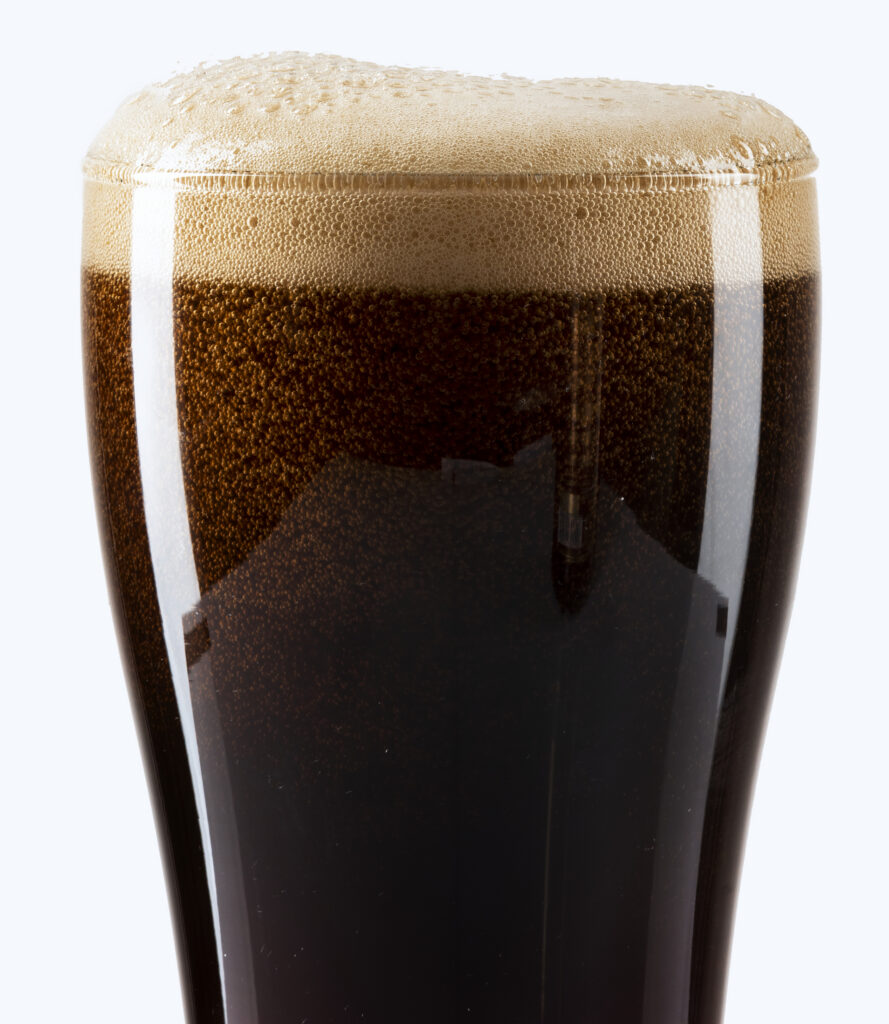
People often reduce the appeal of an Irish pub to stout, whiskey, and a familiar back bar. Those are part of the story, but ritual is the larger one. A properly poured pint, a clean glass, a measured pace, and the visible confidence of the bartender create trust. Even guests who do not order Guinness respond to that standard. It signals care.
The same goes for whiskey service. A pub does not need hundreds of obscure bottles to be respected. In fact, excessive range can work against the category if it turns the bar into a showroom. A thoughtfully chosen Irish whiskey selection, supported by a few Scotch, bourbon, and house favorites, often serves the room better. The point is not display. It is usefulness. Can the bartender guide a curious guest? Can the regular get what they came for? Can the list satisfy without becoming self-serious?
Beer quality is just as crucial. Draft lines must be maintained. Glassware must be right for the pour. Temperature matters. These are unglamorous disciplines, but they separate places that rely on reputation from places that deserve it. New Yorkers will forgive a small room, a noisy room, even an old room. They are less forgiving about a bad pint.
Still, ritual extends beyond what is in the glass. It includes the first round after work, the late Sunday meet-up, the holiday toast, the wake after a funeral, and the annual reunion that always happens in the same corner booth. A pub becomes timeless when it holds these repeated moments without making them feel staged. It serves as a container for life as it actually unfolds.
Food that understands its job
There is a particular mistake some pubs make when trying to modernize. They overcomplicate the menu. They chase trends that belong to a different type of restaurant. They forget that pub food should meet people where they are.
That does not mean the food can be lazy. In New York, the baseline is too high for that. The kitchen needs consistency, proper seasoning, and enough range to satisfy different appetites and budgets. But the menu should still feel grounded. A well-made shepherd's pie, fish and chips with a crisp batter, bangers and mash, a solid burger, a good soup, fresh brown bread, and a roast on the right day can carry enormous weight if executed with care. Even something as simple as toast points with smoked salmon or a plate of sausages can do more for a room than a menu full of fashionable distractions.
One reason food matters so much in the Irish pub model is that it broadens the social function of the space. People can come in for dinner with children earlier in the evening, then watch the room gradually shift toward drinks and conversation as night settles in. A timeless gathering place rarely depends on one daypart alone. It needs lunch traffic, after-work energy, weekend steadiness, and holiday resilience.
There is also a practical economic truth here. In a city with punishing rent and labor costs, beverage sales may drive margin, but food often drives frequency. Groups stay longer if they can eat well. Locals visit more often if the menu feels dependable. The best pub kitchens understand that comfort and consistency are competitive advantages.
Music, conversation, and the sound of the room
One of the least appreciated elements in any great pub is sound management. Not acoustic engineering in the technical sense alone, though that matters, but the total sound of the room. Music should support conversation, not conquer it. Televisions, if present, should serve specific moments such as major matches, not dominate every wall. Staff communication should remain calm and efficient. Glasses clink, doors open, laughter rises, and the room should still feel coherent.
Traditional live music can deepen the identity of an Irish pub, but only when it belongs there. A good session brings people together. A bad one turns the room into a performance venue at the expense of everyone who came to talk. The distinction is important. A timeless gathering place protects conversation first. Music enhances the social fabric, it does not replace it.
That is why so many beloved pubs seem to have an intuitive understanding of volume. They allow for atmosphere without forcing a mood. In practical terms, that means a midday lunch crowd can hear itself think, the after-work rush can buzz without becoming punishing, and a late evening can feel lively without tipping into chaos. These are not glamorous achievements, but they are central to repeat business.
The role of continuity in a city obsessed with novelty
New York rewards novelty, then punishes it. A place opens with hype, fills up for six months, and struggles when the next thing arrives. Irish pubs that endure tend to operate outside that cycle. Their customers do not come for novelty. They come for reassurance, habit, and social reliability.
That continuity has emotional force. In a city where people change jobs, apartments, relationships, and neighborhoods with exhausting frequency, a familiar pub becomes an anchor. You might have moved to Queens, then Brooklyn, then back to Manhattan, and still find yourself meeting old friends in the same Midtown pub because it is the one constant everyone can agree on. People build personal history in these rooms. First dates, job offers, birthdays, wakes, breakups, engagements, post-marathon pints, Christmas Eve gatherings, quiet afternoons after bad news, all of it accumulates.
This continuity is especially meaningful in immigrant communities and among the Irish diaspora, but it extends far beyond them. The pub serves as a cultural bridge. You do not need Irish family roots to understand the appeal of a place that values wit, welcome, storytelling, and unforced companionship. In New York, where many residents are far from where they started, that kind of room feels legible. It makes belonging easier.
Community is built through ordinary repetition
What outsiders sometimes miss is that community in a pub is not built through grand gestures. It is built through repetition. Seeing the same bartender on Thursdays. Knowing there will be soup when the weather turns. Watching the same families come in after church or after a youth sports game. Hearing one table celebrate citizenship paperwork while another marks a retirement.
An Irish pub becomes a gathering place because it welcomes these overlapping patterns without trying to brand them. Community is not a marketing program. It is the byproduct of reliability.
There are a few signs that a pub has crossed that threshold:
- Regulars bring first-time visitors there with confidence.
- Staff greet people with recognition, but the room never feels closed to newcomers.
- The place is busy for different reasons at different hours.
- Important life events happen there without special staging.
- Guests describe it as "our spot" even when they live in different parts of the city.
These are simple indicators, but they reveal a great deal. The strongest pubs are not exclusive clubs, yet they still produce a sense of ownership among guests. That combination is rare.
The balance between authenticity and adaptation
The word authenticity gets thrown around too easily in hospitality. It can mean cultural seriousness, family lineage, design fidelity, menu restraint, or simply a lack of obvious gimmicks. In the context of an Irish pub in New York, authenticity is best understood as integrity. Does the place know what it is, and does it behave accordingly?
That does not require museum-like preservation. In fact, pubs that never adapt often become fragile. They miss shifts in dietary needs, beverage preferences, neighborhood demographics, and operating https://jsbin.com/jolerifoti realities. A pub may need better nonalcoholic options, more thoughtful coffee service, stronger lunch execution, cleaner sightlines, or outdoor seating that actually works. These are not betrayals of tradition. They are evidence of stewardship.
The challenge is knowing what can change and what cannot. You can update a menu without turning it into a generic bistro. You can improve lighting without making the room feel like a hotel lobby. You can add reservations technology without losing the human welcome at the door. Good operators understand this intuitively. They edit with restraint.
The less successful examples usually fail in one of two directions. Either they lean so hard into nostalgia that they become dusty and complacent, or they modernize so aggressively that they lose the pub's social logic. A timeless place avoids both traps. It evolves without advertising the fact.
Why location helps, but does not explain everything
There are Irish pubs near transit hubs, near office towers, in residential neighborhoods, beside theaters, and in corners of the city where you would not expect them to thrive. Location obviously matters. A pub near Penn Station or Grand Central may draw commuters and travelers. One in the West Village or on the Upper East Side may rely more heavily on neighborhood regulars. A Financial District pub may live or die by weekday trade unless it has enough destination appeal on weekends.
Yet location alone does not make a timeless gathering place. Plenty of bars sit in perfect foot traffic and never become beloved. What matters is whether the pub can convert convenience into attachment. The commuter who stops in because the train is delayed should feel enough ease to return next week by choice. The tourist who enters looking for a familiar pint should encounter more than a generic idea of Ireland. The local who comes in for one quick drink should feel that staying longer would be welcome.
That conversion happens through cumulative detail. The welcome at the door. The confidence behind the bar. The pace of service. The quality of the food. The tone of the room. The feeling that this place has an internal life not manufactured for visitors alone.
The pub as a civic space, not just a commercial one
One reason Irish pubs matter in New York is that they perform a civic role many modern businesses no longer even try to perform. They are semi-public rooms where social mixing still occurs. Not perfectly, and not without frictions, but far more than in many curated lifestyle spaces.
A pub can host a neighborhood fundraiser, a memorial gathering, a union meeting, a birthday lunch, a first date, and a solo reader at the bar all in the span of a few days. It allows forms of togetherness that are difficult to replicate elsewhere without high prices or formal membership. You buy a drink or a meal, yes, but what you are really paying for is access to a shared human environment.
That role became easier to appreciate whenever city life felt strained. People notice what they miss when it disappears. The pub, at its best, offers low-key fellowship. Not everyone wants a loud club, a tasting menu, or a carefully branded lounge. Many people simply want a room where they can talk, sit, laugh, remember, and feel less alone.
What the best Irish pubs in NYC understand
The lasting power of an Irish Pub NYC landmark comes from disciplined simplicity. Not simple in the sense of easy, because there is nothing easy about running hospitality well in New York. Simple in the sense of clarity. The best pubs know their purpose.
They understand that people return to places that let them relax without feeling invisible. They understand that tradition means standards, not stagnation. They understand that atmosphere is built through hundreds of small decisions, from the polish on the wood to the timing of the next round. They understand that a pub should hold both celebration and sorrow with equal dignity.
Most of all, they understand that gathering places are made, not announced. They are built one shift, one regular, one conversation, one meal, and one well-poured pint at a time. Over years, then decades, that steady work turns a business into a fixture. In a city that is always in motion, that kind of permanence feels almost radical.
And that is why the Irish pub endures. Not because it is old-fashioned, but because it continues to meet a human need with unusual grace. It offers warmth without pretense, ritual without stiffness, and community without demand. In New York, those qualities never really go out of style.
Hibernia Bar
401 W 50th St
New York, NY 10019, United States
Phone: +1 212-969-9703
FAQ About Irish Pub NYC
What is the best Irish pub in NYC?
The best choice depends on your location and preferred atmosphere. Hibernia Bar is a neighborhood Irish pub in Hell's Kitchen offering Guinness, Irish whiskey, pub food, and sports viewing.
Where do Irish people go in NYC?
New York's Irish community gathers in many neighborhoods and venues. Hibernia Bar welcomes Irish expats, local residents, and visitors at 401 W 50th St, just off Ninth Avenue.
Where can I watch GAA games in New York?
Hibernia Bar lists GAA among the sports it shows. Call +1 212-969-9703 to confirm coverage and opening times for a particular match before visiting.
What is the difference between a bar and a sports bar?
A sports bar emphasizes televised games and a shared viewing atmosphere. Hibernia combines sports viewing with the food, drinks, and hospitality of a neighborhood Irish pub.