The Most Talked-About Bar NYC Experiences Right Now
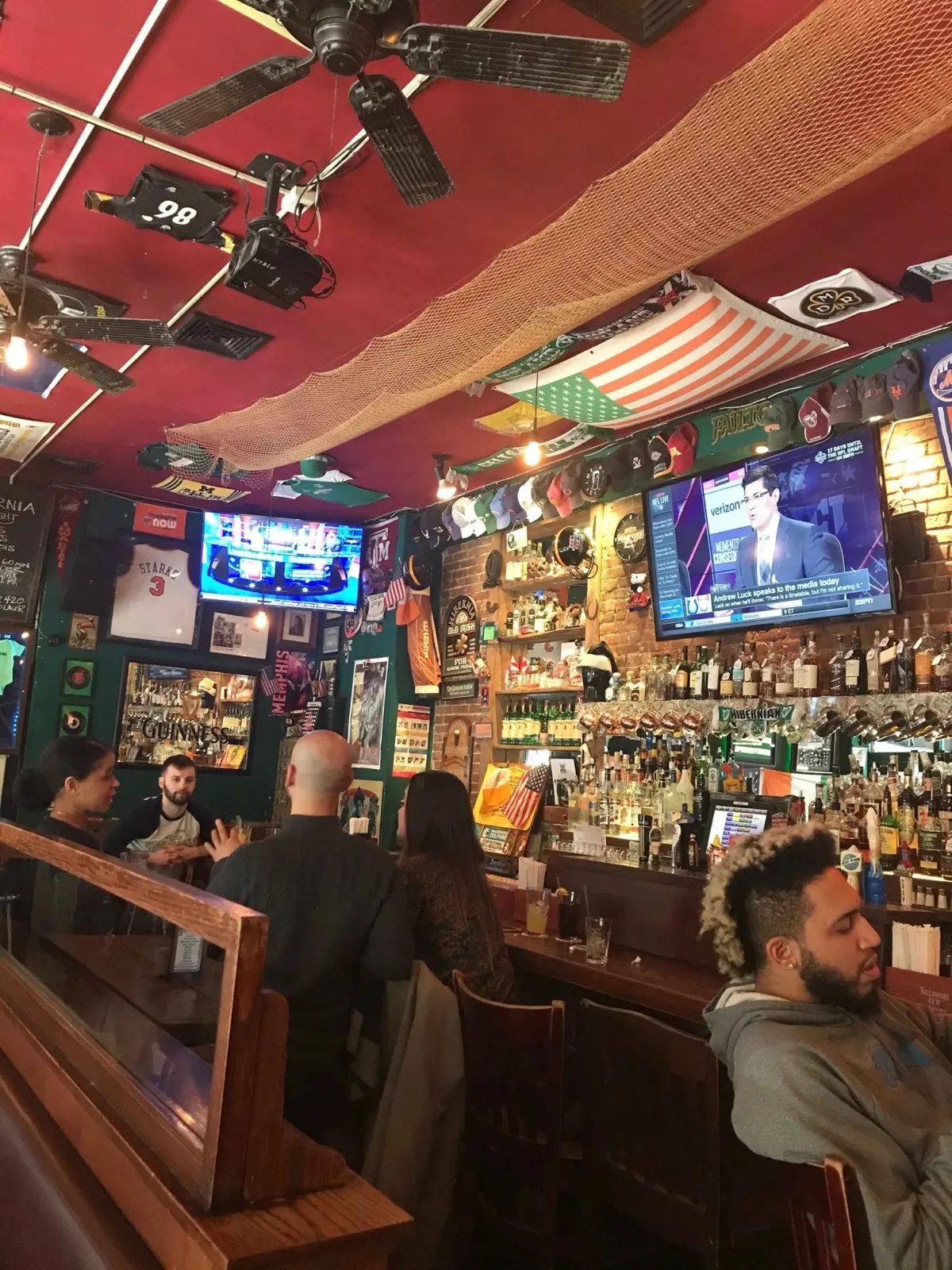
New York has never had a shortage of places to drink. What it does have, especially right now, is a shortage of patience for bars that feel interchangeable. The places getting real attention are not simply pouring good martinis or stocking rare mezcal. They are staging a full experience, sometimes subtle, sometimes theatrical, but almost always intentional. In a city where rent is punishing and attention spans are short, the most talked-about Bar NYC destinations are the ones that give people a reason to cross neighborhoods, wait forty minutes, and tell three friends by the next morning.
That shift matters. A decade ago, much of the conversation centered on access, reservations, secret doors, and whether a room looked sufficiently hidden to feel important. Today, the rooms that travel across group chats tend to win on texture and atmosphere as much as on scarcity. Guests want precision, but they also want relief. They want craft, but not stiffness. They want to feel they discovered something, even if the place is already all over social media. The result is a bar scene with more range than many visitors expect, and more nuance than the broad label of "nightlife" can capture.
What people are talking about right now falls into a few clear lanes. There is the return of serious cocktail craftsmanship, though often softened by warmer service and less lecture. There is the rise of bars built around a deep visual point of view, where lighting, sound, seating, and glassware carry as much weight as the spirits list. There is the hunger for spaces that feel local rather than algorithmic. And there is a practical change that anyone who goes out regularly can feel, which is that value is being judged differently. Not cheaper, necessarily. More worth it.
Why some bars catch fire while others stay merely good
Plenty of bars in New York serve competent drinks. Competence alone does not generate conversation. The bars people bring up repeatedly tend to do one of three things very well.
First, they create a strong sense of occasion without making the guest work for it. You walk in and immediately understand the mood, whether that mood is velveted downtown intimacy, bright natural-wine ease, or polished hotel-bar glamour. There is no awkward recalibration period where you wonder if you are underdressed, too early, too old, or in the wrong room.
Second, they edit. One of the clearest markers of a strong bar right now is discipline. Shorter cocktail lists, tighter spirits selections, fewer gimmicks, better execution. In the best rooms, this feels confident rather than limiting. A menu with eight excellent drinks usually outperforms one with twenty forgettable ideas and a paragraph of backstory under each.
Third, they understand how New Yorkers actually socialize. That sounds obvious, but many bars still miss it. People are meeting after work with one person who wants food, another who does not drink, and a third who arrived late from Brooklyn after two train delays. The rooms that thrive make those mixed-group realities easy to manage. They have a zero-proof option that feels considered, not dutiful. They have enough seating to support a real conversation. They know that a good first round can buy them a second, and maybe dinner.
The cocktail revival, stripped of old pretension
One of the strongest currents in the city is a refined version of the craft cocktail movement. The drinks are still technical, often exacting, but the presentation has loosened. Bartenders still care about dilution, texture, and balance, yet fewer guests want to be trapped in a seminar on vermouth styles at 9:15 on a Thursday.
This is where some of the best Bar NYC experiences are winning. They deliver high standards with a lighter touch. You see more clarified drinks that look deceptively simple but drink with remarkable clarity. You see freezer martinis handled with real precision. You see classics improved in small, intelligent ways rather than blown apart for novelty. A Manhattan with a subtle split base, a negroni adjusted for a lower-abv start to the evening, a highball built with top-grade ice and exact carbonation, those choices register.
The practical effect is larger than it sounds. Guests feel taken care of instead of instructed. That difference may be the biggest cultural shift in New York bars over the past few years. Expertise still matters, maybe more than ever, but hospitality has moved back to center stage.
I was reminded of this recently in a compact downtown room where the menu read almost too modestly. There were only a handful of cocktails, all familiar in structure, and nothing announced itself as revolutionary. Yet every drink landed with that quiet snap that tells you somebody behind the stick has done this thousands of times and still cares. The bartender checked in once, exactly once, then left the table alone. That kind of restraint is rarer than it should be, and guests notice Bar NYC it.
Design has become part of the drink
There was a period when many bars felt built to be photographed first and inhabited second. Some still do. The more interesting rooms now are integrating visual design into the experience without surrendering to pure spectacle.
This is a crucial distinction. A good bar can be beautiful. A great one understands what beauty is for. Lighting should flatter faces and glassware. Sound should energize the room without flattening conversation. Seating should support the way people actually stay for ninety minutes, not the way a concept board imagines they will pose for six.
The most talked-about spaces in New York right now often feel cinematic, but not staged. Think textured walls, low amber light, banquettes deep enough for a proper date, a back bar that rewards the eye without shouting. In other cases, the draw is the opposite, a clean, airy room with daylight still visible at 6:30, an easy wine list, and enough openness that solo guests can drop in without feeling conspicuous.
These decisions shape what people order and how long they stay. In darker, tighter rooms, guests tend to commit to spirit-forward cocktails and slower pacing. In brighter, more casual spaces, spritzes, sherry cobblers, chilled reds, and aperitif builds make more sense. The best operators understand that design is not decoration. It is service by other means.
The bars people remember are often the ones with a point of view
A lot of bars still try to be all things to all customers. In New York, that usually reads as expensive hesitation. The bars drawing the strongest loyalty right now have a point of view, and they communicate it clearly.
Sometimes that point of view is geographic. A bar may organize its menu around a region, a spirit tradition, or a particular style of hospitality. When that focus is done with rigor, guests feel they are entering a world rather than ordering from a category. Sometimes the point of view is emotional. There are bars that feel celebratory, bars that feel restorative, bars that feel flirtatious, bars that feel like a private exhale after a brutal workday. Those distinctions matter.
The mistake some operators make is confusing concept with identity. A concept can get a first visit. Identity earns repeat business. Anyone can build a menu around coastal Italy, postwar Japan, old New York, or retro futurism. The harder task is making every touchpoint support that world, from the first greeting to the final check drop.
You can see this clearly in rooms where the menu language is spare, but the choices are exact. Maybe the house drink uses a lesser-known amaro, not to show off, but because it actually gives the structure needed. Maybe the snacks are unusually good, not because the kitchen wants to compete with restaurants, but because salt, fat, and acid extend the evening. Those details signal coherence. Guests may not name it that way, but they feel it immediately.
Food matters more than bars sometimes admit
One of the least glamorous truths about the current bar landscape is that strong food can be the difference between a place people admire and a place they actually use. New Yorkers are busy, often hungry, and increasingly selective about adding another stop to the night. If a bar can absorb the first phase of dinner, or at least keep a group satisfied through two rounds, it becomes far more versatile.
This does not mean every bar needs a full kitchen. It does mean the bar snacks cannot be an afterthought. The most effective food menus right now are compact and strategic. A great burger still pulls weight. So do excellent fries, a sharp crudo, carefully chosen tinned fish, warm olives, skewers, dumplings, or a deeply satisfying grilled cheese if the room leans more casual. The specific dish matters less than whether it feels suited to the space and honestly prepared.
There is also a value perception issue here. When guests pay New York cocktail prices, they become more forgiving if the food gives the night shape. A terrific martini and a bowl of stale nuts make a place feel extractive. A terrific martini and one memorable plate make it feel generous.
The return of the neighborhood bar, just upgraded
For all the buzz around destination drinking, some of the most meaningful attention in the city is returning to neighborhood bars that simply execute at a high level. Not every talked-about bar is famous citywide. In many cases, the places with the strongest reputations are the ones residents quietly protect until they cannot.
These bars tend to share a certain maturity. They know they will see the same faces again. They cannot rely on novelty forever. So they make choices that support longevity, stable pricing where possible, staff who stay long enough to build recognition, music that suits the hour, and a room that works for one drink or three.
This is especially important in a city where many consumers have become skeptical of hype. A neighborhood spot with a serious wine list, one knockout house cocktail, and service that remembers your usual can generate more durable affection than a launch-heavy venue chasing headlines. If you spend enough nights out in New York, you eventually stop asking where everyone says to go and start asking where people actually return.
That is an underrated measure of a good Bar NYC experience. Not whether it is impossible to get into, but whether people who know better still choose it on an ordinary Wednesday.
What social media gets right, and what it distorts
It is easy to roll your eyes at virality, but social media does identify something real. Bars that photograph well are often bars that paid attention to details. A beautiful coupe, a gleaming ice block, candlelight on lacquered wood, these things can be evidence of care, not just performance.
Where social media misleads is in flattening the lived experience. A ten-second video cannot tell you whether the room is comfortable at full volume, whether the staff can handle a late rush, whether the second drink is as good as the first, or whether the menu holds up once the novelty fades. It also cannot tell you whether the place suits your reason for going out.
A moody, high-concept cocktail den might be ideal for a date and terrible for catching up with three old friends. A bustling natural-wine bar might be exactly right for a spontaneous night and exactly wrong for a conversation that matters. The smartest guests use online buzz as a prompt, not a verdict.
That said, bar operators ignore digital culture at their peril. The strongest rooms now understand how to be shareable without becoming shallow. They create visual signatures, yes, but they also back them with consistency. That balance is why some bars stay talked-about long after the first wave of posts.
Timing now shapes the experience more than many people realize
In New York, the same bar can feel like two completely different establishments depending on when you arrive. This has always been true, but it feels sharper now because guest expectations are so segmented.
Early evening often belongs to professionals decompressing, first dates, solo drinkers, and visitors trying to beat the rush. This is usually when you see the room at its most generous. Bartenders can talk. Music sits lower. Seating is still available. If you care about the quality of the interaction as much as the drink, arriving before the crush remains one of the best tactical moves in the city.
By peak hours, the energy can be thrilling or exhausting, depending on the room. Some bars come alive with density. Others collapse under it. In my experience, one of the clearest signs of an excellent operation is that it still feels coherent when every seat is full. Orders stay accurate. Water appears without begging. The bar team moves with urgency but not panic. If a place can maintain grace under pressure, it is probably worth the attention it gets.
Late night is its own category entirely. New York still offers moments after 11 p.m. That feel unlike anywhere else, but the best late-night bar experiences are increasingly specific rather than universal. Some rooms become looser and more social. Others thin into a quieter, industry-heavy hum. Knowing which bar belongs to which category saves a lot of disappointment.
What good service looks like now
Service standards in bars have changed, and guests are sharper judges than they used to be. Formality matters less. Awareness matters more.
The strongest teams read the room. They know when to guide and when to disappear. They can speak fluently to a serious spirits drinker without alienating the person who just wants "something refreshing, not too sweet." They avoid making beginners feel small, which is still a surprisingly common failing in prestige bars. They keep the pace humane. They know that pushing a third round on a table that clearly wants the check is not savvy upselling, it is clumsy pressure.
There is also a staffing reality behind the scenes. Bars everywhere have dealt with turnover, rising costs, and training challenges. Guests may not see that directly, but they feel the outcome. The places earning real loyalty are often those that have managed to preserve a calm culture in the front of house despite all that strain. When the team seems settled, the room follows.
The strongest trends are not really trends at all
A lot of commentary around bars treats each new wave as a sudden revolution. Most of what matters right now is less dramatic than that. It is a return to fundamentals, sharpened by harder economics and better-informed guests.
People want drinks made with skill. They want spaces with identity. They want food that supports the night. They want hospitality that feels intelligent rather than scripted. They want enough novelty to feel alive, but enough consistency to justify coming back. In a city as expensive as New York, they also want all of this to feel worth the spend.
That last phrase, worth the spend, may be the most important filter of all. It explains why a modestly sized room with superb service can outrank a more ambitious venue in the public imagination. It explains why some luxury bars still command full confidence, while others are dismissed as style exercises. And it explains why the most talked-about Bar NYC experiences right now often leave guests saying some version of the same thing: expensive, yes, but I would go again.
How to choose the right bar for the night you actually want
The best bar in New York is almost never the one with the loudest reputation. It is the one that matches your purpose. If you are planning a first date, look for a room where lighting and acoustics help you, not one where you have to shout over the playlist. If you are meeting friends from out of town, choose a place that offers a clear sense of New York without turning the entire evening into a logistical obstacle. If you care deeply about drinks, go early and sit at the bar whenever possible. The staff can guide you better there, and you will learn far more from the room.
Price should be weighed with honesty. A twenty-something-dollar cocktail may feel fair if the drink is superb, the service is polished, and the environment is memorable. It feels absurd when the room is chaotic and the pour is ordinary. New Yorkers are not opposed to spending. They are opposed to spending without reward.
The city rewards curiosity, but it also rewards discernment. The most talked-about bars at the moment are not merely venues. They are responses to what guests have become better at demanding. Better drinks, better rooms, better judgment. Less posture, more pleasure. Less concept for concept's sake, more places that understand why people go out in the first place.
That is what makes this an unusually good time to explore the bar scene. The noise is still there, as it always will be. But beneath it, some of the best Bar NYC experiences in years are taking shape, not because they are louder than the rest, but because they are more exact about what a great night in New York is supposed to feel like.
Hibernia Bar
401 W 50th St
New York, NY 10019
(212) 969-9703
FAQ About Bar NYC
What is there to do in Hell's Kitchen, NYC?
Explore the restaurants and bars along Ninth Avenue, catch a Broadway show nearby, or visit the Intrepid Museum on the Hudson River. Hibernia Bar is at West 50th Street and Ninth Avenue, a convenient stop before or after a show.
What are some bars in New York City that serve good food?
Hibernia Bar in Hell's Kitchen serves wings, burgers, fish and chips, and shepherd's pie. Its kitchen lists a 2 a.m. closing time, which makes it an option for dinner after a show or a game.
How far is Hell's Kitchen from Times Square?
Hell's Kitchen is just west of Times Square. From Broadway and West 45th Street, Hibernia Bar is roughly 0.6 miles away, or about a 12-minute walk depending on crowds.