Irish Pub NYC Recommendations for an Easygoing Evening
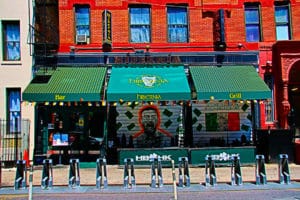

New York has no shortage of bars that promise atmosphere. Plenty offer a polished room, a decent pint, and some idea of conviviality. What separates a genuinely satisfying Irish pub from a bar that borrows the look is harder to pin down until you have spent enough evenings in both. It is usually a matter of proportion. The lighting sits a little lower. The room allows conversation without making silence awkward. The bartender knows when to chat and when to slide over your drink and let you settle in. A proper pub does not force the night to perform.
That distinction matters in a city that https://cesarsfpy606.cloudhinter.com/posts/irish-pub-nyc-traditions-that-keep-guests-coming-back can make a simple after-work drink feel overproduced. If you are looking for an easygoing evening, the best Irish Pub NYC options are not necessarily the loudest, trendiest, or most photographed. They are the places where you can arrive at 6:15, order a Guinness or a whiskey, maybe add a bowl of stew or fish and chips, and feel no pressure to escalate the night into something bigger than it needs to be.
The good news is that New York is unusually strong in this category. Some pubs lean old-school and nearly timeless. Others are more polished, with strong food programs and carefully kept taps. A few turn into full-on party rooms at peak hours, which can be great if that is what you want, but less helpful if your goal is a relaxed catch-up or solo pint. Choosing well comes down to knowing the difference between a pub built for lingering and one built for volume.
What makes an Irish pub worth recommending
An Irish pub is not just dark wood and a framed mirror. New York has enough faux-authentic rooms to prove that décor alone is not the point. The best ones usually get four things right.
First, the pint matters. A pub can have a broad tap list, but if Guinness is on offer, it should be poured with care and served at the right temperature. In New York, where turnover varies widely, this is a useful signal. A good pint does not guarantee a good pub, but a careless one often reveals a room coasting on reputation.
Second, sound matters more than people admit. A genuinely easygoing pub allows conversation at normal volume for most of the evening. Music can be present, even lively, but it should not dominate until later, if at all. Some of the strongest pub rooms in Manhattan and Brooklyn understand this instinctively. They let the hum of conversation carry the space.
Third, staff set the tone. At the best places, bartenders and servers know how to read the room. They are efficient without feeling transactional. That is harder to find than it should be. A pub that feels relaxed often does so because the staff create that ease through small choices, pacing service well, remembering repeat guests, not rushing tabs.
Fourth, the room needs some age in it, whether literal or earned. That does not mean every good pub must be historic. It does mean the space should feel lived in rather than assembled from a kit. Scratches on the bar, regulars at the same stool, a back room that hosts trad sessions once in a while, a menu that reflects actual demand rather than branding ideas, these are the details that make a pub believable.
The mood you should look for, not just the address
People often ask for the single best Irish Pub NYC recommendation, as if one answer could fit every evening. That is rarely how this works. A pub can be excellent on a Tuesday at 5:30 and unbearable on a Friday at 9:00. Another may look plain at first glance but become exactly right once the room fills to a certain level. The more useful approach is to match the pub to the kind of night you want.
If the evening is about conversation, choose a place with multiple rooms or at least some seating away from the front bar. If it is about a low-effort date, look for a pub with solid kitchen output and lighting that flatters without trying too hard. If you want to post up alone with a book, a notebook, or just your own thoughts, lunchtime and early evening are your best windows, and the most comfortable pubs are those where solo customers do not feel like placeholders between larger groups.
Location also changes the character of the night. A pub in the Financial District may be excellent at 4:30 and dead by 9:30 except on event nights. One near Union Square might surge unpredictably depending on the season and nearby theater or sports traffic. In Hell’s Kitchen, the East Village, or Park Slope, you often get a steadier evening rhythm. None of these patterns are absolute, but they matter when the goal is ease rather than adventure.
Manhattan pubs that suit a calm, unforced night
Manhattan remains the easiest place to find a very good Irish pub on short notice, though the styles vary by neighborhood. Some rooms skew traditional and compact, others more restaurant-like. If you are aiming for an evening that feels comfortable rather than crowded, there are a few archetypes worth seeking out.
One reliable category is the older midtown or downtown pub that has resisted over-renovation. These places tend to have strong bartending, established routines, and a mixed crowd of office workers, neighborhood regulars, and visitors who found the right spot by luck or habit. They are especially good between late afternoon and around 8:00 p.m. You can often get one of the better city pints in this window, along with simple pub food that arrives fast and tastes of repetition in the best sense. Soup, brown bread, shepherd’s pie, curry fries, and a properly crisp fish sandwich all benefit from kitchens that have made them a thousand times.
Another useful Manhattan type is the polished modern Irish pub. Purists sometimes dismiss these too quickly. Yes, some feel corporate, but the stronger versions deliver something valuable for an easygoing evening: predictable quality. The seating is more comfortable, the restrooms are better kept, the whiskey list tends to be deeper, and the kitchen is often stronger than expected. If you are meeting friends with mixed tastes, or someone who wants a cocktail while you want a stout, this style can be the smartest compromise.
Then there are the intimate neighborhood pubs, often a little west or east of the busiest strips, where the television is on but not intrusive and the room seems to inhale and exhale with the block around it. These are often the best answer for a rainy night, a first drink after a difficult week, or a quiet celebration that does not need spectacle. In New York, where novelty is marketed so aggressively, the relief of a pub that knows what it is can feel almost luxurious.
Brooklyn’s quieter strengths
Brooklyn does not always get top billing in Irish pub conversations, but it should. The borough’s best pubs often have more space than their Manhattan counterparts and a less hurried social rhythm. That alone can improve the evening. You are more likely to get a proper corner table, less likely to feel churned through, and more likely to hear yourself think.
Neighborhood context matters here even more. In Park Slope and nearby areas, pubs often function as true local institutions, serving families early, couples in the evening, and regulars all night. In Williamsburg, the pub scene can be more style-conscious, though there are still dependable rooms where the essentials are done right. Bay Ridge, Woodside, and parts of Queens deserve mention as well, especially if your idea of a good evening includes authenticity that has not been curated for outsiders.
There is also a practical advantage to heading outside Manhattan for a pub night. Prices can be a touch gentler, though not always dramatically so anymore. More importantly, the ratio of space to noise often improves. That changes how long you stay. A pub that invites a second pint and a shared plate without making you feel pinned between strangers has already won half the battle.
Food separates the good from the memorable
A surprising number of pub recommendations ignore the kitchen, which is a mistake if the goal is a full evening rather than a single round. Even if you only plan to snack, the food affects the room. A pub serving decent hot meals attracts a different pace of customer than one built mostly around drinks.
The classic standards still tell you a lot. Fish and chips should arrive with a batter that stays crisp beyond the first minute. Shepherd’s pie should taste savory and slow-cooked, not like reheated catering. Soda bread should be worth the butter. If there is an Irish breakfast on the menu during weekend hours, that is usually a sign the place takes its identity seriously, though execution can vary. Some pubs go further with seafood, braised meats, or seasonal specials, and that can be excellent, but only if the fundamentals hold.
For an easygoing evening, food often works best when ordered early. In many popular pubs, the room changes once the kitchen is in full swing and the after-work crowd has arrived. Getting a table before 7:00 can turn a potentially noisy night into a measured one. There is a practical rhythm to pub-going that locals learn fast. Claim the seat, order the first pint, put in food while the room is still settling, then let the evening unfold.
Guinness, whiskey, and the small tests that reveal quality
People can get precious about Guinness, but there is a reason it remains the benchmark in any Irish pub discussion. It is familiar enough that flaws stand out. A bad pour, a glass that is not properly clean, or a flat result with no life to it will tell you plenty. A good pint, by contrast, contributes to the evening in ways that go beyond taste. It slows things down. It asks for patience. In a city that often rewards speed, that ritual fits the pub mood beautifully.
Whiskey lists are worth reading too, though not always for their length. A thoughtfully chosen selection, with approachable Irish bottles alongside a few more serious pours, usually indicates a house that cares about what it serves. You do not need fifty labels. You need a list chosen by someone who understands why one person wants a simple Jameson and another wants Redbreast, Green Spot, or a neat pour of something harder to find.
There are other tells. Water glasses appear without asking. Napkins are replaced before the bar gets sticky. Staff know which beers are moving well. The music stays in register with the room. None of this is flashy, and that is the point. Easygoing evenings depend on places that manage details quietly.
When to go, and when to avoid even a good pub
Timing matters more than most recommendation lists admit. A place that feels warm and balanced on a Wednesday can tip into shoulder-to-shoulder chaos on a Saturday after 8:00. Sports schedules also change everything. If a major soccer match, rugby fixture, or high-profile boxing card is on, even the calmest pub may become something else entirely. That is not a flaw, but it is a different product.
If your priority is ease, aim for one of these windows:
- Weekdays from about 4:30 to 7:00, when the room has energy but often not yet full volume.
- Sunday late afternoon, especially in residential neighborhoods, when the crowd is settled and less hurried.
- Rainy evenings, oddly enough, because pubs often become their best selves when people commit to staying put.
- Winter nights outside the holiday crush, when the room feels most like a refuge.
- Early table bookings for groups of four or more, which prevent the usual standing-around shuffle.
The times to be careful are just as predictable. The Friday post-office rush can overwhelm otherwise lovely rooms. St. Patrick’s season transforms the category entirely, and not always in a good way if your aim is tranquility. Around Christmas, many pubs fill with office parties, which can be fun but rarely relaxed. The practical lesson is simple: a recommendation is only half about the venue, the other half is about the hour you walk in.
A few neighborhood patterns that help
New Yorkers often over-index on famous spots and underuse the pubs hidden one or two blocks off the main drag. The second-tier location can be a gift. In Midtown, for example, a pub just outside the obvious commuter path often offers the same quality with a fraction of the noise. In the West Village and East Village, stepping away from nightlife-heavy corners can change the room completely. The Financial District rewards early starts. Upper East Side and Upper West Side pubs can be excellent for a long, steady evening if you do not need theatrical buzz.
Queens deserves a special nod for anyone serious about Irish pub culture rather than just Irish aesthetics. Woodside and surrounding areas have long held pubs where community life still shapes the bar. You may find less visual polish there, but often more substance. The conversations are better, the pours are steadier, and the room does not feel like it exists for social media. For many people, that is the sweet spot.
Brooklyn’s local pubs, especially in more residential zones, often hit the ideal middle ground between competence and warmth. They are easier places to become a regular, and that matters. Even one or two repeat visits can alter your experience. Familiarity changes service, comfort, and how quickly the night takes shape.
How to choose if you are meeting different kinds of people
An easygoing evening means different things to different groups. For coworkers, you want enough energy to avoid awkwardness, but not so much that no one can talk. For old friends, a pub with a deep bench of food and drink options helps the night stretch naturally. For dates, the ideal room is one where pauses feel comfortable and the lighting does some work for you. For family visits, comfort and kitchen reliability matter more than bar pedigree.
One common mistake is choosing a celebrated destination pub when what you really need is an accommodating local. Destination pubs are often worth seeing once. They can have history, beauty, and excellent pours. They can also attract crowds that make an ordinary conversation feel like a logistics exercise. There is nothing wrong with that, but the choice should match the purpose of the evening.
If I am advising someone personally, I usually ask three questions before naming a place. Do you want dinner or just drinks. Do you care if there is a game on. How late are you likely to stay. Those answers narrow the field faster than any ranked list.
The small pleasures that keep people coming back
A good pub night often hinges on details too modest to make it into glossy roundups. A snug booth near the back. A bartender who recognizes that you are waiting for a friend and does not hover. The quiet clink of glasses when the room is full but not rowdy. A bowl of chowder or stew that arrives exactly when the weather calls for it. The option to stay for one more without feeling trapped into a long night.
This is where the best Irish Pub NYC experiences tend to excel. They offer continuity in a city built on turnover. Menus change less dramatically. Staff sometimes stay longer. The regulars provide a social backbone. That continuity is why people become loyal to one pub in a city with thousands of bars. They are not chasing novelty. They are protecting a mood.
There is also a generosity to many strong Irish pubs that goes beyond service. The room makes space for different kinds of evenings. You can celebrate in it, recover in it, think in it, or simply wait out the rain. A lot of bars can facilitate a good time. Fewer can support a whole range of ordinary human moods without asking you to perform one version of yourself.
A final note on expectations
The perfect easygoing pub evening in New York is rarely about finding a flawless bar. It is about finding a place that gets enough right, at the right hour, for the kind of night you want. Maybe the food is better than the beer, or the whiskey list outshines the room, or the room itself carries a kitchen that is merely solid. That is fine. Pubs are not laboratories. They are social spaces, and their best qualities often emerge in combination rather than perfection.
If you want the safest strategy, look for the places with a settled identity, competent pours, forgiving acoustics, and enough food to anchor the night. Go a little earlier than your instincts tell you. Sit where the room can breathe. Order something classic before you get ambitious. If the pub is good, the evening usually takes care of itself.
That is the appeal of a truly good Irish pub in New York. It makes ease feel possible in a city that does not always value it. And on the right evening, that is more than enough.
Hibernia Bar
401 W 50th St
New York, NY 10019, United States
Phone: +1 212-969-9703
FAQ About Irish Pub NYC
What is the best Irish pub in NYC?
The best choice depends on your location and preferred atmosphere. Hibernia Bar is a neighborhood Irish pub in Hell's Kitchen offering Guinness, Irish whiskey, pub food, and sports viewing.
Where do Irish people go in NYC?
New York's Irish community gathers in many neighborhoods and venues. Hibernia Bar welcomes Irish expats, local residents, and visitors at 401 W 50th St, just off Ninth Avenue.
Where can I watch GAA games in New York?
Hibernia Bar lists GAA among the sports it shows. Call +1 212-969-9703 to confirm coverage and opening times for a particular match before visiting.
What is the difference between a bar and a sports bar?
A sports bar emphasizes televised games and a shared viewing atmosphere. Hibernia combines sports viewing with the food, drinks, and hospitality of a neighborhood Irish pub.